DaveT
Members
-
Joined
-
Last visited
Everything posted by DaveT
-
I haven't seen one fail. Been driving Subarus since the early 1980s. If you are too aggressive with removal efforts, they can break. Usually, they just need new seals and orings.
-
Those years are pretty close, they probably will work. All of them have a pin that tells the ECU if it is is connected to an Automatic or a standard shift. If you have both schematics, you can find it. I will see if I can find some time to look at one of my spare ECUs. A few years ago, I started to reverse engineer one. Many of the ICs were normal parts I could find data sheets for. Transistors, I can figure out, marked or not, I just have to trace out which one is connected to the CEL pin.
-
Don't know, but they are pretty likely standard metric dowel pins. Decent car parts store might have them, just as generic parts. I usually check Mcmaster-carr for things like this also.
-
Re. This- " With a known good bulb in and it closed-circuit, there is still ~12v on the IG side but more like 10.5 on the other side. Is this normal? " Ok, this [combined with the info from your open circuit test] indicates that the bulb is lit by the circuit grounding the 10.5V side of the bulb. I have not had to trace or trouble shoot one of these to this level before, but from general electronic design experience, I figure that the ECU pin for the lamp is an open collector type drive. That means it is open circuit until the ECU signal makes it tie to ground, maybe a few hundred millivolts would be on it in that case, and the light would be on solidly. It is possible to blow out the transistor - if something were wired wrong, like it was tied to +12V and then the ECU tried to light the CEL. The other bulbs - I'm thinking you are referring to the other red lights on the dash, for alternator, brakes, etc? Those are not controlled by the ECU, they have their own circuits. Some are switches, so they will read very low V on the GND side. The alternator one, for example, is wired into part of the regulator circuit, and likely not driven as hard, so a couple volts on it is not unexpected.
-
What is the voltage on the bulb, both sides, with a known good bulb in the socket? With it open circuit, bulb removed, the voltages can be misleading.
-
For checking the links, you are better off using a spare light bulb, like a brake light bulb. One end to the battery - or frame, the other to each end of each link, in turn. A volt meter is good, and all, but a bad link with a high resistance connection can show as good with no load. The lamp test is the load. Even better, check volts while the lamp is lit. You cannot test amps unless you put the meter in series with whatever load you are testing, and many loads in cars are way too high for typical amp meters, so you really want to know what you are doing before you do that, or you will need a new meter, or worse.
-
Yeah, go looking for that first. Generally, I've rarely seen anyone on here with a dead ECU. I've never had a dead one. I've been running and maintaining EA82 powered wagons since 1988.
-
This description - The sound is like a "chuch chuch" - makes think small exhaust leak.
-
The ECU code LED should be blinking an all is ok code with the key in run position. Does that happen?
-
Wild guess. Make sure the 2 diagnostic test connectors are disconnected. The single pole green, and white, near the wiper motor.
-
the light on the ECU - do you mean the red LED in the hole? That should be blinking - either trouble codes, or the all is well code. I know of no time it should be on steady.
-
That's what is in the link I posted. I'm not sure what powers the new version, I have one from 20 or more years ago, that has a hand pump to pressurize it. The professional ones connect to an air compressor. The thing about waxoyl is that unlike paint, it does not get totally hard, it seeps and creeps into small places, and existing rust you can't see or didn't know was there. Also, to a point, it's self healing.
-
How to do inside rockers - https://www.hammerite.co.uk/product/waxoyl-pressure-sprayer/
-
The rockers have some holes you can get at from the inside. And you could add a few if needed to get coatings inside. But, yes, you have to coat the inside of welded repairs.
-
The one with the green paint, and the high number of ribs on the inner is an OEM axle. The other, who knows.
-
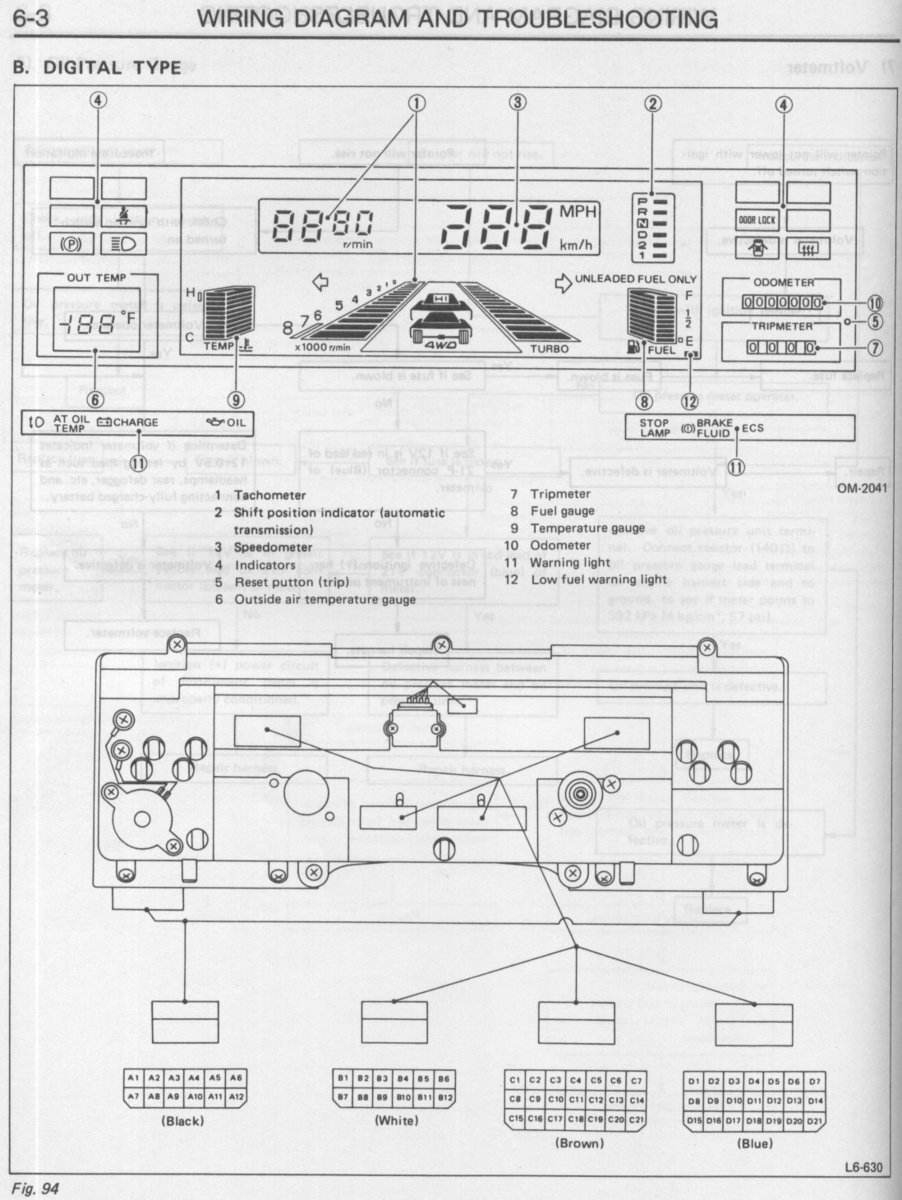
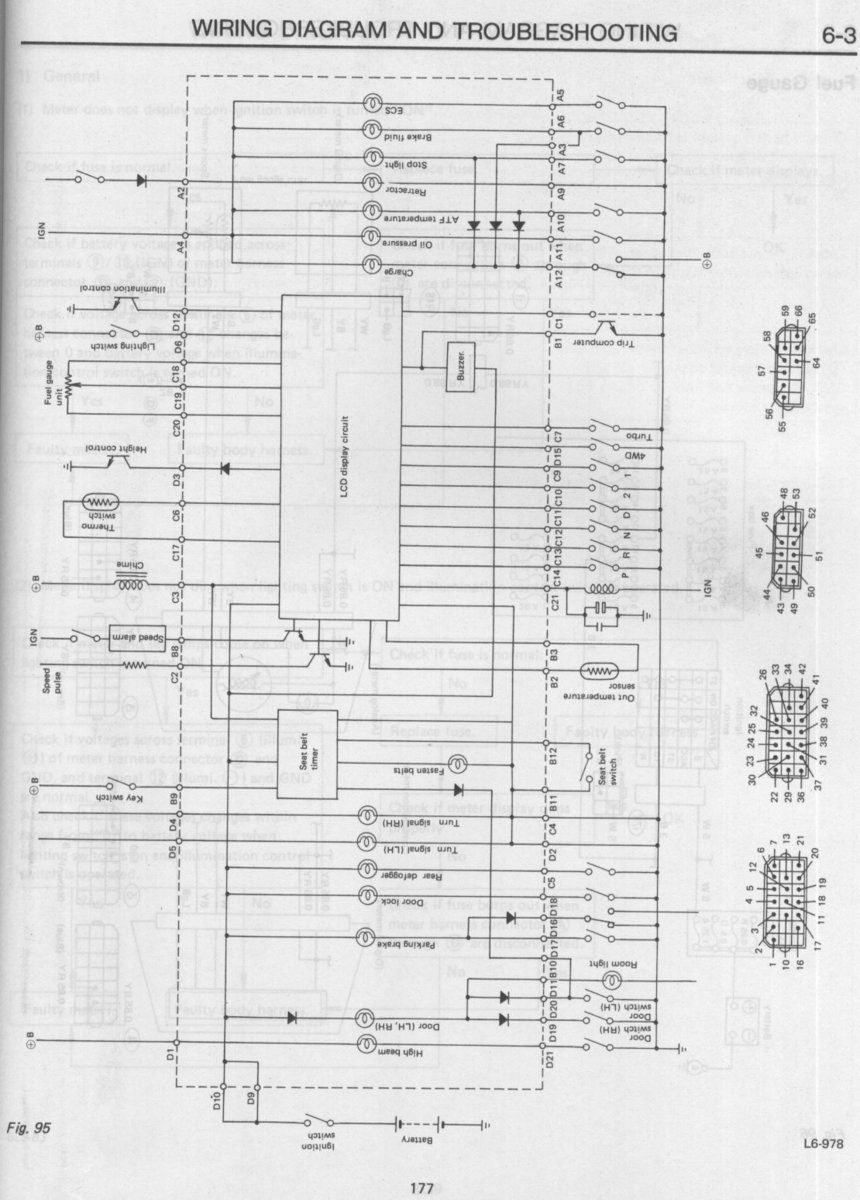
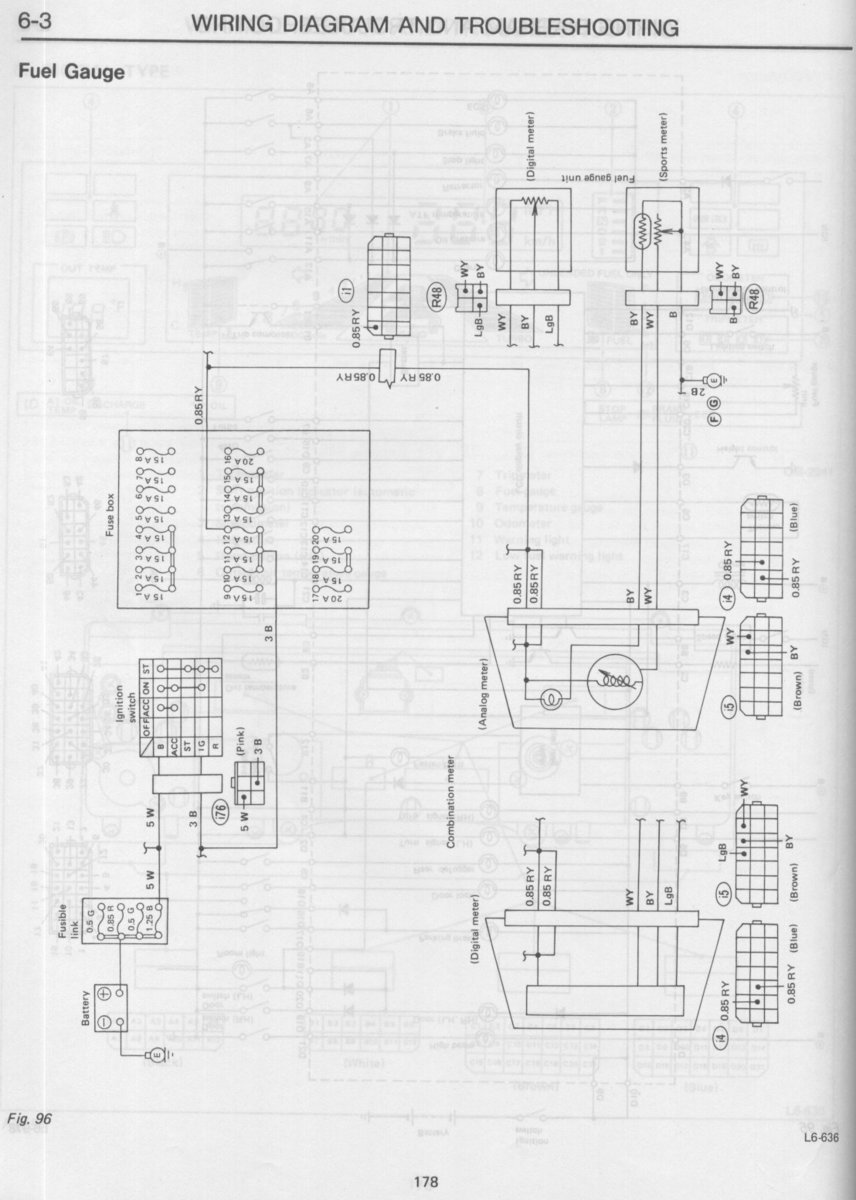
My 86 FSM has XT sections. I have seen an XT or 2, never worked on one. I do know SPFI EA82 wagons well. Someone may have links to online scans, but if not I can scan a few pages, if we can figure out what pages would help.Remove the kick panel from under the steering column. Bolted to the column, there is a plain metal box. there is a hole pointing toward the driver. peeking into the hole, you can see a red LED. [when it is blinking] Start the engine. Look at the LED. Long blinks are the tens place digit. Short blinks are the one's place digit. All numbers are 2 digits. Codes are listed in a sequence, then repeated. There may be only one, like 34, or a few, 34, 31, 35. Look up the code numbers, and or post them here.Where did you get a 2 row ea82 radiator? Those have been NLA for a long time.I had one of them like this. I had to try like 3 belts before I ended up with the right one. Unfortunately, it was long ago that I no longer have the numbers. All the rest of my similar cars have the other AC system. Anyway, get the longest belt that will still get tight for the AC compressor. Then you should have room to get the alternator belt tight. The sizes must be exactly the right belt. One size up or down it won't work one way or the other. I also remember filing one of the adjuster slots just a bit longer, to get just a bit more tension..The ECU controls engine related stuff only. The door chime is just a chime wired to the door switches.There is always trapped air. Until the thermostat opens, and the water pump can move significant volume of coolant. I got one of the no spill funnel filler things that attaches to the radiator cap, it helps a lot with getting all of the air out. Fill the radiator. Squeeze the upper radiator hose to pump air out, top if as needed. Let the engine idle until the thermostat opens. Keep an eye on the coolant all along. Rev a few times once it's opened. That should get most of it.It's worth verifying that the test mode connectors are not connected... Near the wind shield wiper motor, there are 2 one wire connector sets. One set is green, one set is white. They should NOT be connected for normal operation. These cars can be inexpensive - IF you do all your own repairs, and you collect lots of spare parts. Many parts are NLA from dealers or aftermarket. I run 2 so I have transportation when one has a problem, as often, parts are not in stock anywhere... Except what I have collected in my garage.How thick, what softness / hardness of the sheets?Why not just get new seals for it? The metal parts should not wear any quicker than the rest of the engine.